b9cb6d6c6568dc38a04c89545b7c8044
Using Personality and Integrity Tests to Select Quality Employees
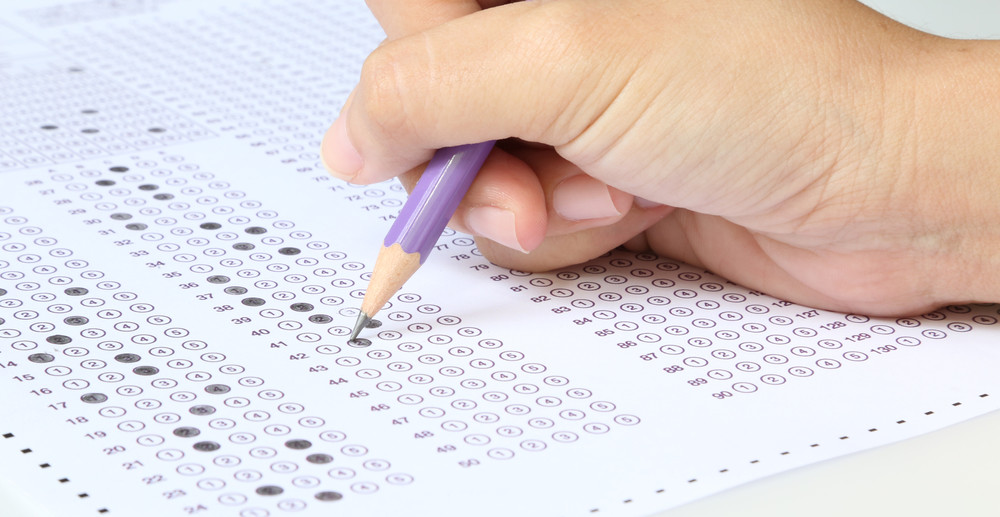 Finding the right employee for your company can seem like an endless task. Even after carefully reviewing resumes and interviewing candidates, there is no guarantee that the chosen applicant will be a loyal employee. Some recruiters feel that the implementation of integrity and personality tests is an additional step to help weed out potentially problematic candidates.
But do such tests really improve upon hiring practices?
Integrity tests can consist of either dichotomous (true/false) or multi-option scale questions. Some test-making companies have developed specific formats to meet their clients’ unique needs. All testing formats are used to identify such qualities as honesty, conscientiousness, dependability, and proclivity towards undesirable behavior. In regards to testing format, it is important to note that university studies have shown that the format of integrity tests can greatly change the outcome, and perhaps provide a false reading. Research from such studies indicates that potential employees who view such tests as generally fair and valid will demonstrate a higher level of confidence and overall performance. Dichotomous questions proposed on moral issues, as are found on most integrity tests, were viewed as unfair and invalid when compared with multi-option scale questions, per university studies.
Retail Industry’s Usage
Retailers and retail recruiters in NYC often use these tests to qualify candidates for employment. The retailers who have implemented multiple formats of the integrity test in some of their store locations have been able to run comparative studies on the success factors of general testing. Stores that utilized the integrity test experienced more than 35% of a drop in inventory theft, compared to non-testing stores who noted a 10% rise in inventory theft. Turnover rates at testing locations improved 13%, whereas non-testing stores showed a 14% increase in turnover.
Success Factors From Multiple Industries
Success factors from multiple industries implementing integrity tests showed that in studies where results from integrity testing were compared with background checks, of the applicants who could not meet company standards for the integrity test, more than 14% had a criminal background. Personality testing is different from integrity testing, and is primarily used for high stress industries. Trained psychologists and psychiatrists conducted and interpreted the tests. Although testing formats seemed to play a part in the results of integrity testing, university studies show that no significant differences involving fairness and validity were noted on test subjects involved in either dichotomous or multi-option scale questions. Test anxiety; however, was more noted on psychological questioning. Potential employees who test poorly due to test anxiety could receive a false reading, which has earned the test some criticism in recent years.
Companies who implement these tests can statistically show improvements in problem areas; however, many recruiters disagree on the ethics behind enforcing such hiring methods. Also, test making organizations are not governed by any set standards, so it is recommended that organizations thoroughly research both the companies and the testing materials available prior to purchase. Furthermore, it is important for recruiters and executives to understand the different format options to choose the format that best meets their needs.
For assistance in crafting your psychometric jobseeker tests or with any customized documented development, give us a call today!

About the author
Tamsin is a senior manager at Hureco Maverick; she is also a coffee lover, cruciverbalist, altruist, and advocate for corporate social responsibility and volunteerism.